NGSS Discipline: Life Sciences
Free classroom-ready biology lesson plans created and vetted by educators

Engage AP & Advanced Biology students in hands-on CRISPR simulation activities. Evaluate guide RNA specificity, model off-target mutations, and make evidence-based decisions.
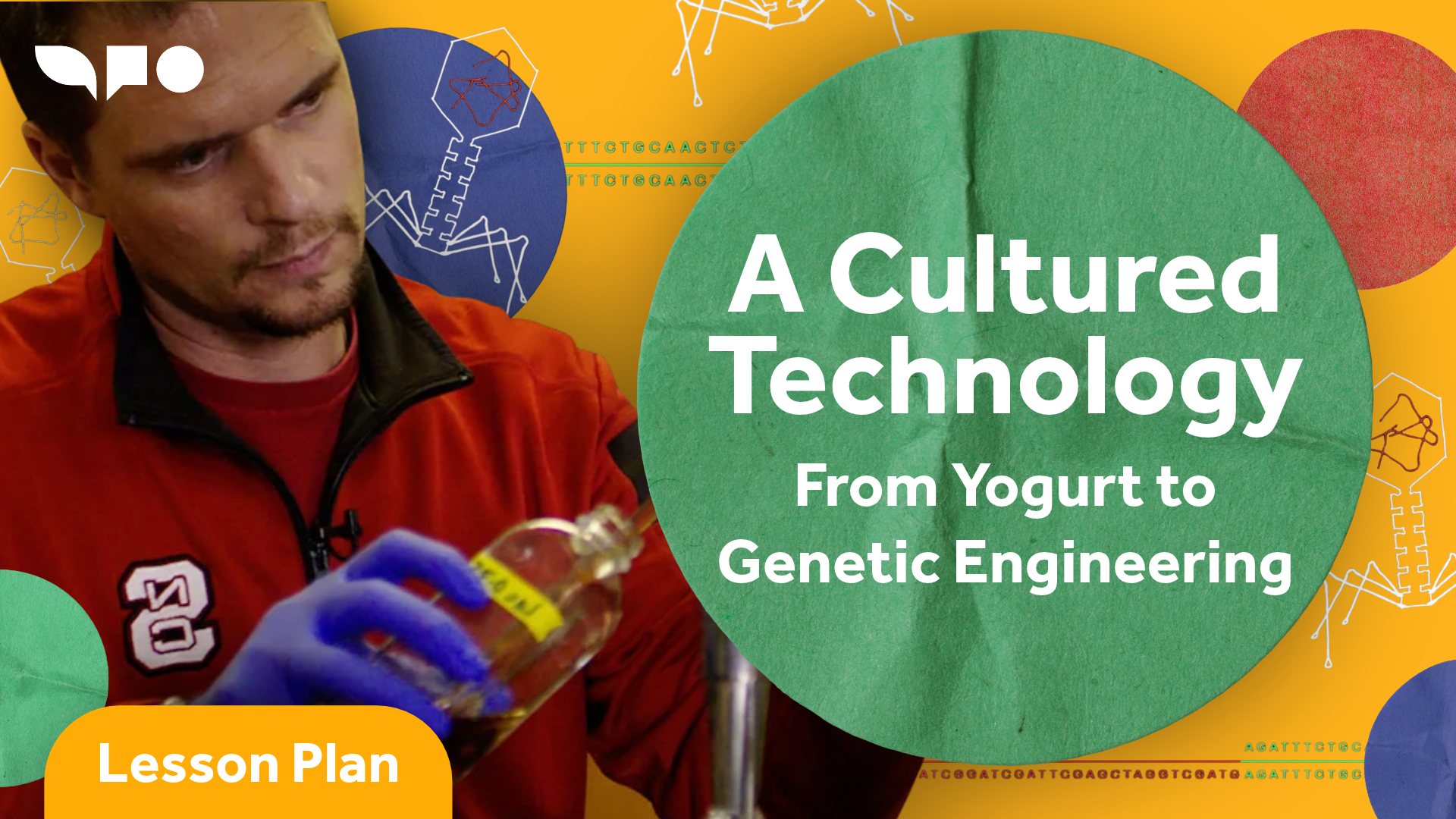
Engage high school students in modeling CRISPR DNA sequences and analyzing real experimental data on bacterial adaptive immunity. Includes slides, worksheets, and video.

Students dive into the mechanics and bioethics of CRISPR through hands-on modeling, film-guided analysis, group discussions, and CER argumentation.

Students investigate coral bleaching and evaluate human intervention solutions through ecosystem modeling, data analysis, evidence sorting, and CER argumentation.

Students evaluate the role of wildfires and prescribed burns in managing forests through multimedia analysis, group discussions, and evidence-based argumentation.

Teach what influences redwood forest recovery after wildfires and how tree rings provide historical climate data, helping scientists understand past droughts, fires, and growth conditions.

Students explore climate change impacts on global forests and apply the fundamentals of CRISPR gene editing to design conservation solutions.
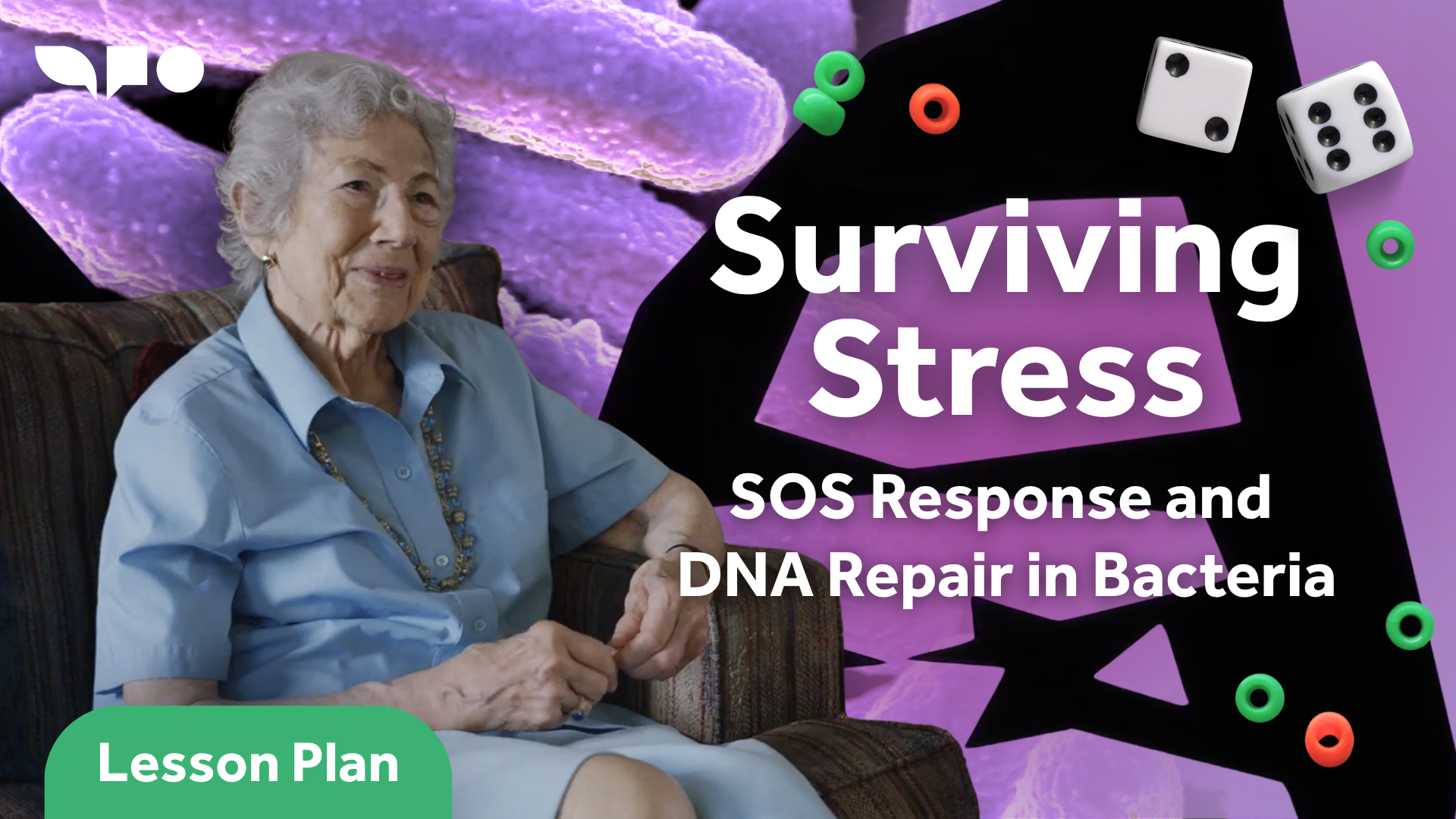
Free 9–12 biology & AP Bio lesson on bacterial DNA repair, the SOS response, and antibiotic resistance. Includes modeling, CER activities, and population simulations.

Students collect outdoor field data and observe local ecosystems over time in this hands-on NGSS-aligned lesson.

Investigate coral bleaching through hands-on experimental design, data analysis, and a bioethical debate on using CRISPR for conservation.
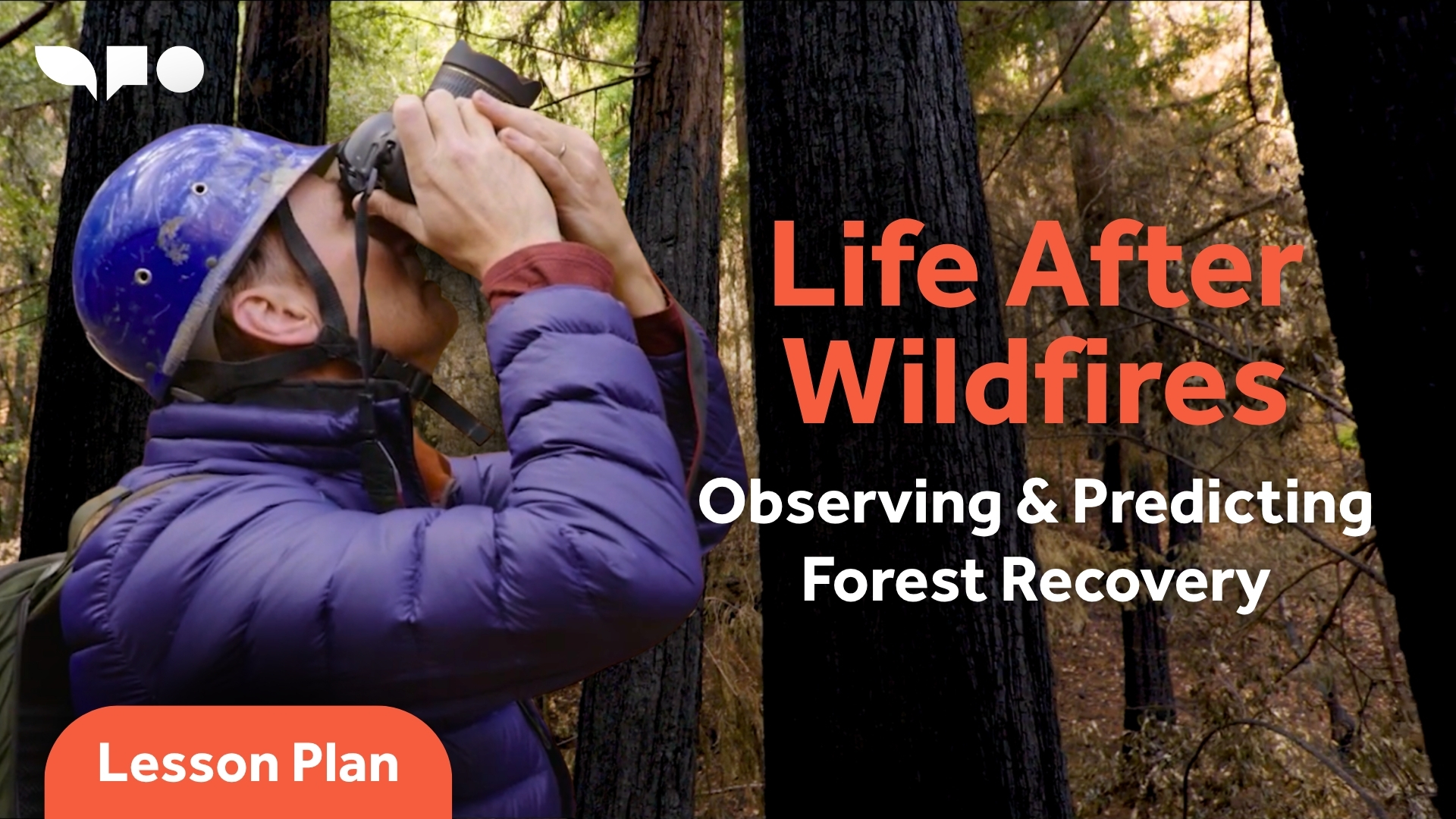
1-period video activity exploring forest succession, observation practices, and science identity with elementary and middle school worksheets.

Observe and compare monocot vs. dicot root growth with this hands-on germination activity for grades 3-12.

NGSS-aligned middle school lesson to help students master the essential scientific distinction between observation and inference.

Should We Use Biotechnology to Save Endangered and Extinct Species?

Engage students in modeling hormonal pathways and redesigning zoo habitats to explore how stress impacts animal behavior and reproduction.

Free Nature of Science lesson plan for grades 6-10. Includes a hands-on hypothesis cube activity and a video on indigenous knowledge and nitrogen cycling.

Model evolutionary tradeoffs and play an interactive game to bring natural selection and antibiotic resistance to life.

Engage students with how "the most beautiful experiment" in biology revealed the semiconservative nature of DNA replication with a free video and modeling activity.










This material is based upon work supported by the National Science Foundation and the National Institute of General Medical Sciences under Grant No. 2122350 and 1 R25 GM139147. Any opinion, finding, conclusion, or recommendation expressed in these videos are solely those of the speakers and do not necessarily represent the views of the Science Communication Lab/iBiology, the National Science Foundation, the National Institutes of Health, or other Science Communication Lab funders.