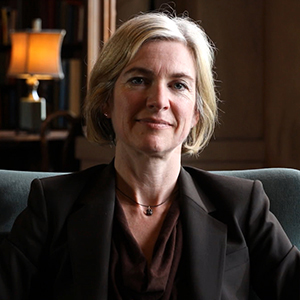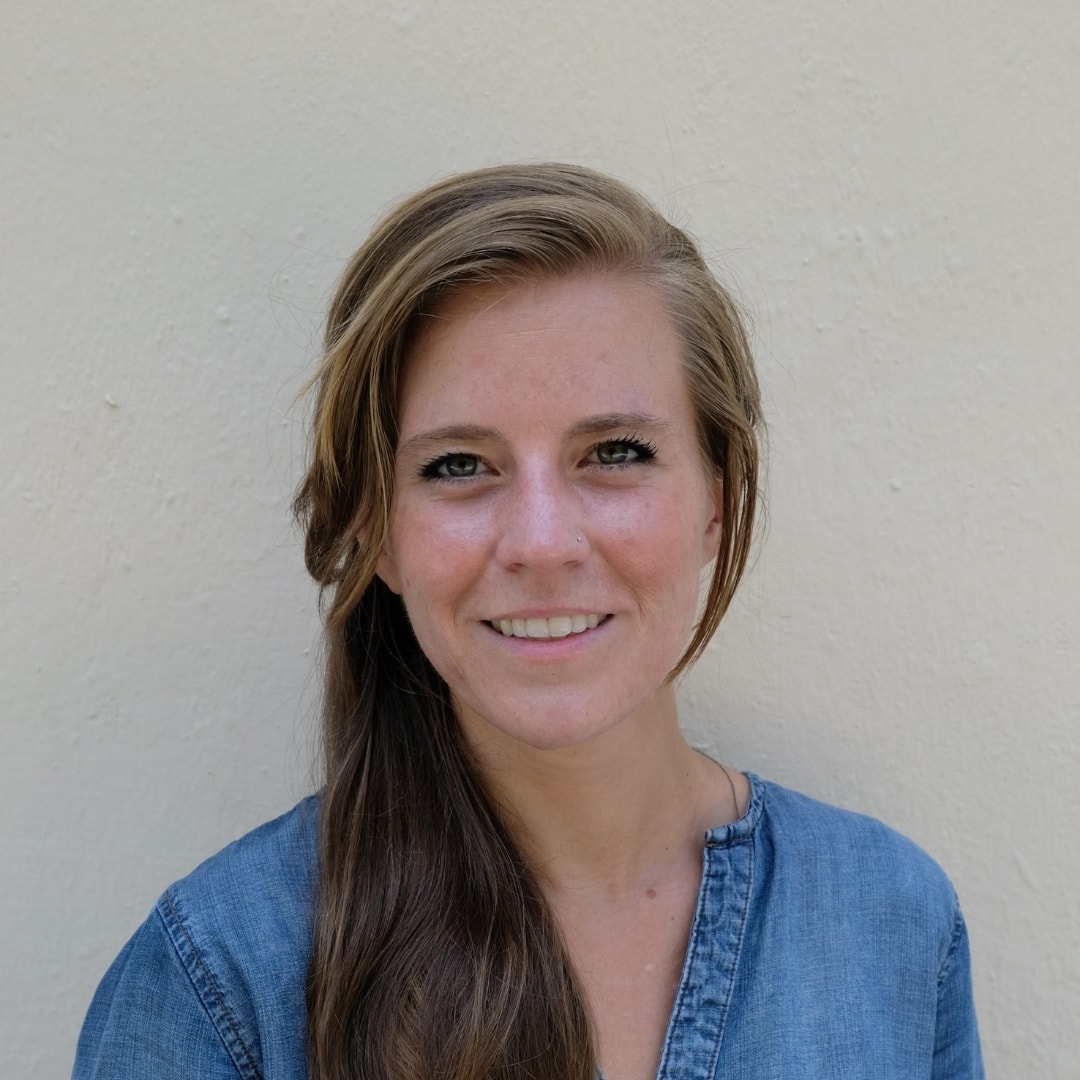
Emily Howell, PhD

Collaborator, Researcher

Emily Howell is an interdisciplinary social scientist who has developed partnerships across filmmaking, science museums, philanthropy, and other organizations involved in scientific research, communication, education, and civic life. Her research focuses on science communication for controversial issues and how science, science communication, and perceptions of science fit within (and can hinder or support) democratic decision-making in the US. Howell’s work has been published in Science, PNAS, and Public Understanding of Science, among others, and has informed the NASEM consensus report on reproducibility and replicability in science. Her academic background includes a PhD in environmental policy and science communication from the University of Wisconsin-Madison and a BA in history of science from Harvard University.

Publications

Forming Relationships With Scientists Through Film: A Qualitative Study of Viewers’ Trust, Identification, and Value Alignment

Drawing on open-ended responses from a national U.S. survey (N = 630) of viewers of Observer, a documentary film featuring scientists engaged in practices of observation, we examine how audiences explained trust, identification, and perceived value alignment with the film’s characters, most of whom were explicitly identified as scientists. Participants most often cited relational and…
Use of personal storytelling in educational videos promotes student engagement and science identity in undergraduate biology courses

In this era of information abundance and digital connectivity, educational videos are a transformative and widely used resource in STEM higher education. Much of what is known about the effective use of educational videos comes from analyzing videos used for content delivery and the impacts on knowledge gains or behavioral engagement with videos. Less is…

Engaging short film activity that supports learning, science identity, and nature of science comprehension

Improving perceptions of students' science identities and their understanding of the nature of science (NOS) are important learning goals for undergraduate biology students. Previous research has observed that students who reflect on personal histories and research narratives of diverse scientists experience positive changes in their own science identities and understanding of the nature of science,…

Measuring Science Literacy in a Digital World: Development and Validation of a Multi-Dimensional Survey Scale

We present a new multilingual 14-item scale for measuring science literacy in survey and experimental research. The scale captures three essential dimensions of science literacy in a digital world: civic science literacy, science media literacy, and cognitive science literacy. We developed, tested, and validated the scale through two preregistered national quota surveys in Switzerland and…

Storytelling in Science Film: Narrative Engagement Relates to Greater Knowledge, Interest, and Identification With Science

To explore narrative engagement’s impacts on science communication, we examine a representative sample of U.S. adults randomly assigned to watch one of the four short documentary science films. Our results indicate that narrative engagement—feeling connected to the story world and identifying with characters—predicts a wide range of outcomes relevant to engagement and learning: greater knowledge…

An Evolving Need for Trusted Information

As Robert Groves, Mary T. Bassett, Emily P. Backes, and Malvern Chiweshe describe in their article, the COVID-19 pandemic highlighted the value and importance of connecting social science to on-the-ground decisionmaking and solution-building processes, which require bridging societal sectors, academic fields, communities, and levels of governance. That the National Academies of Sciences, Engineering, and Medicine…